


When the air outside feels heavy, it is easy to assume your home should stay sealed tight. In humid climates, however, your home still needs a steady, controlled way to bring in fresh air and move stale air out. At Air Services Unlimited, we know ventilation is about more than opening a window or running a fan. It is about managing airflow, moisture, comfort, and system performance so your home feels cleaner, healthier, and more balanced throughout the year.
Air Services Unlimited Blog: Posts Tagged ‘Beaumont’
Flood-Ready Installs: How We Position Generators for SE Texas Weather
Monday, June 1st, 2026Living in Southeast Texas means preparing for intense storms, flash flooding, and unpredictable hurricane seasons. At Air Services Unlimited, we know that backup power is not just about convenience, it’s about protecting your home, your family, and your peace of mind when severe weather strikes.
Homeowners searching for reliable generators in Beaumont often ask us one important question: “How do you make sure my generator stays protected during flooding?” The answer starts with smart planning, expert installation, and a deep understanding of Southeast Texas weather conditions.
Smart Home Integration: Hardwiring Your Connectivity for Reliability
Monday, May 18th, 2026Modern smart homes depend on fast, stable, and secure connectivity to keep everything running smoothly. From smart thermostats and lighting systems to security cameras and voice assistants, your home technology performs best when a dependable hardwired network supports it.
At Air Services Unlimited, we understand how important reliable connectivity and trusted electrical solutions in Beaumont are for homeowners who want smarter, safer, and more efficient living spaces.
Surge Protection: Saving Your Appliances from Coastal Lightning
Monday, May 4th, 2026Living along the coast comes with its fair share of beauty—and powerful storms. At Air Services Unlimited, we understand how unpredictable coastal weather can be and how damaging lightning strikes are to your home’s electrical system. If you’re searching for dependable solutions for electrical in Beaumont, you already know how critical it is to safeguard your appliances from sudden power surges. That’s where proper surge protection becomes essential.
The Silent Guardian: How Automatic Transfer Switches Protect Your Family
Monday, April 6th, 2026When it comes to protecting your home and loved ones, preparation is everything. Many homeowners exploring reliable backup power solutions, including generators in Beaumont, often overlook one critical component that ensures seamless protection: the automatic transfer switch. At Air Services Unlimited, we believe your family deserves uninterrupted comfort and safety—no matter what happens outside. With the right system in place, you can face any outage with complete confidence and zero disruption to your daily life.
What to Expect From Heat Pump Installation
Thursday, March 26th, 2026Replacing an older HVAC system comes with a lot of understandable questions. How long will installation take? Will the process disrupt your home? Will the new system really stand up to Beaumont’s long, hot, humid cooling season and its shorter but still chilly winter stretches?
In Southeast Texas, those are important concerns. Beaumont’s climate brings long warm seasons, heavy humidity, and significant annual rainfall, so installation quality matters just as much as the equipment itself. When a system is properly selected, installed, and tested, homeowners can enjoy more dependable comfort, better efficiency, and greater peace of mind.
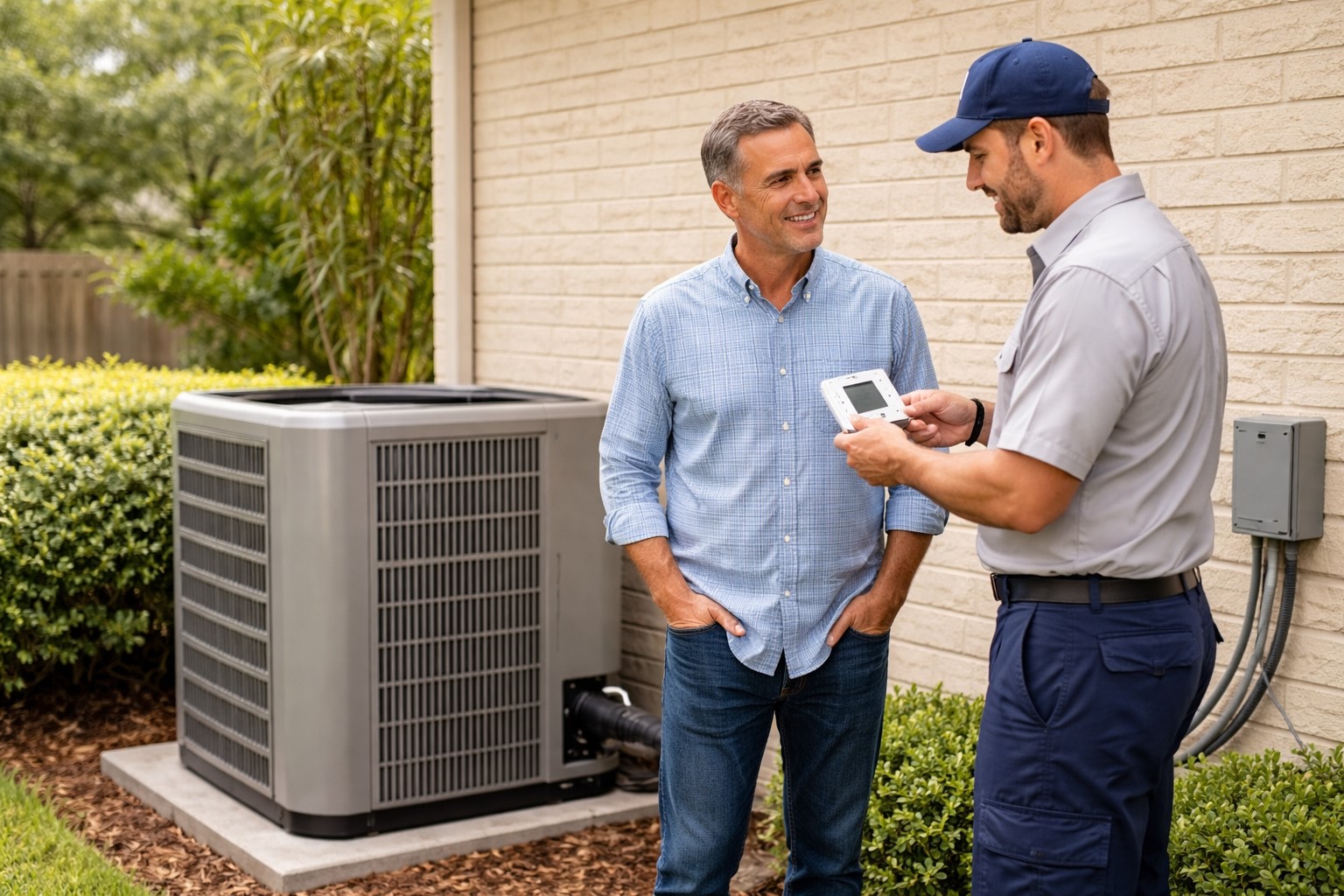
At Air Services Unlimited, homeowners count on a trusted local team for complete comfort solutions built around long-term performance. Serving the Golden Triangle region since 1981, Air Services Unlimited offers 24/7 emergency service and relies on NATE-certified service technicians and experienced installation teams to deliver workmanship you can feel good about.
Why More Beaumont Homeowners Are Choosing Heat Pumps
A heat pump gives you both heating and cooling in one system, which makes it a strong fit for homes in Beaumont, where summers are intense and winters are usually milder than in colder northern climates. For many homeowners, that all-in-one versatility makes a heat pump an efficient and practical solution.
Still, the success of the system depends on much more than the equipment itself. Proper sizing and matching are critical. A contractor should carefully evaluate your home’s heating and cooling demands so the system can deliver the right balance of comfort, humidity control, and efficiency.
What Happens Before Installation Day?
Before any equipment goes in, a professional installer should evaluate the home carefully. This step is one of the most important parts of the entire process because it helps ensure the new system is truly suited to space.
Home Evaluation Comes First
A heat pump installation typically starts with an in-home assessment. Your contractor should review your home’s square footage and layout, insulation levels, existing ductwork condition and design, electrical capacity, indoor and outdoor unit placement, and any current comfort issues such as hot and cold spots. This matters because proper equipment size is essential for both comfort and efficiency, and an oversized or undersized system can lead to uneven temperatures, short cycling, excess wear, and wasted energy.
You May Review Equipment Options
Depending on your home and comfort goals, your installer may discuss several system types, such as standard central heat pump systems, ductless mini-split heat pumps, geothermal systems, and higher-efficiency or variable-capacity equipment designed to improve humidity control. Air Services Unlimited installs heat pumps, ductless systems, geothermal heating and cooling equipment, and other home comfort solutions tailored to different home layouts and energy needs.
Permit and Code Considerations
In Beaumont, HVAC work may be subject to permit requirements and building-code compliance, which means your installation may need to meet local standards related to safety, approved procedures, and system performance. Professional installation helps protect homeowners because an experienced contractor understands how to complete the work correctly and in line with applicable requirements.
What to Expect on Heat Pump Installation Day
Many homeowners picture installation day as noisy or chaotic. In reality, a well-organized crew usually follows a clear sequence of steps to keep the process as efficient and controlled as possible.
- Old Equipment Removal
If you are replacing an existing system, the crew will usually begin by disconnecting and removing the old equipment. This may include the indoor unit, outdoor condenser or heat pump, and in some cases portions of the old refrigerant line set or controls. During this stage, you may notice some noise, technician traffic in and out of the house, and a temporary loss of heating or cooling while the old system is being removed and the new one is prepared for installation.
- Preparing the Installation Area
Next, technicians prepare the indoor and outdoor work areas so the new system can be installed correctly and safely. This often includes leveling or setting the outdoor pad, confirming proper clearances around the unit, checking condensate drain routing, reviewing airflow pathways, and verifying electrical connections. Careful preparation helps support long-term performance, accessibility, and serviceability.
- Installing the Indoor and Outdoor Units
Once the site is ready, the new heat pump system is placed and connected. Depending on the setup, technicians may install the outdoor heat pump unit, an indoor air handler or compatible coil, refrigerant lines, thermostat controls, disconnects or other electrical components, and condensate drainage parts. Each connection plays an important role in helping the system operate efficiently and reliably.
- Ductwork or Airflow Adjustments
Not every installation requires duct modifications, but some homes do. If the existing ductwork is undersized, leaking, or poorly designed, your contractor may recommend repairs or upgrades during the installation process. Even an excellent heat pump can underperform when airflow issues are left unaddressed, so ductwork condition has a major impact on comfort, efficiency, and humidity management.
- Electrical and Safety Checks
Because heat pumps rely on correct electrical integration, your installer should inspect wiring, controls, and protective components carefully. Faulty connections can affect safety, shorten component life, and interfere with reliable operation. This stage helps confirm that the system is connected properly and ready to operate as intended.
- Refrigerant Charging and System Testing
Once the equipment is installed, the crew should test and calibrate the system to make sure everything is operating correctly. This process typically includes verifying refrigerant charge, checking airflow, testing thermostat operation, confirming heating and cooling modes, and measuring temperature split and overall performance. This is where workmanship really shows, because a properly tested startup helps ensure your system is ready to deliver unprecedented comfort and dependable day-to-day performance.
How Long Does Heat Pump Installation Take?
Installation time depends on the scope of the project.
A straightforward replacement may move faster, while a job involving ductwork updates, electrical upgrades, or more extensive preparation can take longer. For most homeowners, the key thing to expect is some technician access, workspace around the system, and a temporary interruption in heating or cooling while the work is underway.
Will Installation Make a Mess?
A professional crew should take reasonable steps to protect your home throughout the installation. Homeowners can usually expect drop cloths or floor protection, organized tool staging, cleanup of installation debris, and a final walkthrough before the crew leaves. Some dust or minor disruption is normal, especially if the project involves attic access, closet air handlers, or duct modifications, but the overall process should still feel controlled and respectful of your home.
What Should You Do Before the Crew Arrives?
A little preparation can help installation go more smoothly and reduce unnecessary delays. Taking a few simple steps before the crew arrives can also make the overall process feel easier and less stressful for homeowners.
Homeowner Checklist Before Installation
Before your appointment, it helps to:
- Clear space around indoor and outdoor equipment areas
- Move valuables or fragile items away from work zones
- Secure pets
- Make sure technicians can access the thermostat, attic, closet, or utility area
- Ask how long heating or cooling may be temporarily unavailable
What to Ask Your Installer
It is also smart to ask a few key questions before installation begins:
- Was the new system sized specifically for my home?
- Will any ductwork changes be needed?
- Are electrical upgrades necessary?
- What kind of thermostat will be installed?
- What maintenance will help the system run well over time?
These questions help you better understand the work being performed and the value of a properly planned installation.
What Happens After the Installation?
Once the system is in place, your contractor should walk you through basic operation so you feel confident using it from day one. This final walkthrough helps you understand your new heat pump’s features, settings, and daily operation with greater confidence.
Expect a Final System Review
A quality handoff often includes thermostat instructions, filter information, maintenance recommendations, a basic explanation of heating and cooling modes, and signs to watch for if service is needed later. This final review gives homeowners more confidence and helps them understand what normal system operation looks like.
Why Proper Sizing and Maintenance Matter
A heat pump that is properly sized, matched, and maintained is much more likely to deliver the comfort and efficiency homeowners expect. Proper sizing should be based on formal load calculations so the system can meet the home’s heating and cooling demands more accurately.
Ongoing maintenance matters just as much. It helps the system operate smoothly, supports efficiency, and reduces the risk of avoidable breakdowns over time.
How Regular Maintenance Protects Your New Heat Pump
Installation is only the first step. Routine maintenance helps protect your investment by keeping the system in stronger condition year after year. It also gives technicians the opportunity to spot minor issues before they turn into larger, more expensive repairs.
Benefits of Seasonal Heat Pump Maintenance
Seasonal maintenance helps maintain efficient performance, supports stronger airflow and indoor comfort, catches electrical issues early, reduces unnecessary strain on components, and helps protect long-term system reliability. In Beaumont, where systems often face extended cooling demand and persistent humidity, preventive service can be especially valuable.
Why Professional Installation Matters in Beaumont, TX
Local conditions have a major impact on HVAC performance in Beaumont, where hot summers, mild-to-cool winters, high humidity, and substantial rainfall all influence how well a heat pump performs. Because of these conditions, system selection, airflow, drainage, startup, and calibration all need careful attention to help ensure dependable comfort and efficiency. Professional installation also helps homeowners address proper system sizing, duct leakage concerns, humidity control, code and permit requirements, and correct startup and performance testing. Air Services Unlimited brings decades of Southeast Texas experience to installation, repair, replacement, and maintenance services, and that local familiarity extends to nearby communities like Nederland, Port Neches, Orange, Vidor, Lumberton, and Bridge City.
FAQs About Heat Pump Installation in Beaumont, TX
Question: How long does heat pump installation take?
Answer: Most installations take anywhere from one day to several days, depending on ductwork, electrical updates, and system complexity. A straightforward replacement usually moves faster than a project that requires major duct or electrical modifications.
Question: Will I need a permit for heat pump installation in Beaumont?
Answer: Possibly. Permit and building-code requirements may apply, so your contractor should review local requirements before work begins.
Question: Is a heat pump a good choice for Beaumont homes?
Answer: Yes, often. Heat pumps are usually a great fit for Beaumont’s long cooling season and milder winters when they are sized and installed correctly.
Question: What happens if my heat pump is the wrong size?
Answer: An oversized or undersized system can reduce efficiency, hurt comfort, and increase maintenance needs. It may also cause uneven temperatures, short cycling, or higher utility bills over time.
Question: Do I need ductwork changes during installation?
Answer: Not always, but some homes do. If your ductwork is leaking, undersized, or poorly designed, updates may be recommended to help your new system perform properly.
Ready for Heat Pump Installation in Beaumont?
Knowing what to expect makes the process much easier. From the initial home evaluation to final testing and walkthrough, a professional heat pump installation should leave you with better comfort, stronger confidence, and a system designed for Beaumont’s climate.
If your current system is aging, struggling, or costing too much to run, Air Services Unlimited is ready to help you enjoy the Great INDOORS with a solution built for long-term comfort.
Contact Air Services Unlimited to schedule your heat pump installation consultation and get expert help from a team that delivers unparalleled customer care.
Hiring the Right AC Installer in Beaumont, TX
Thursday, March 26th, 2026Imagine investing thousands in a brand-new air conditioner only to deal with uneven cooling, sky-high energy bills, and breakdowns within a few years. In Beaumont, TX, where extreme heat and heavy humidity dominate much of the year, poor AC installation doesn’t just cause discomfort it can cost you thousands. Even the highest-rated equipment will underperform if it’s installed incorrectly.

At Air Services Unlimited, we’ve helped homeowners across Beaumont, Port Arthur, Orange, and Nederland fix costly installation mistakes made by inexperienced contractors. Choosing the right AC installer protects your comfort, your warranty, and your long-term investment. If you’re considering AC installation, don’t risk costly errors chedule a professional consultation with Air Services Unlimited today.
Signs You May Be Hiring the Wrong AC Installer
Not all HVAC contractors follow the same standards, especially when it comes to proper system sizing, code compliance, and long-term performance planning. Unfortunately, many homeowners don’t realize the difference until comfort problems or high energy bills start appearing. Watch for these red flags before signing a contract to avoid costly installation mistakes.
No Load Calculation? Your System Could Be the Wrong Size
If a contractor provides a quote without carefully evaluating your home, that is a major warning sign. Without a detailed load calculation, the system may be improperly sized, which can lead to serious performance issues:
- Oversized units may short cycle, struggle with humidity control, and increase energy bills.
- Undersized units may run constantly, cool unevenly, and wear out prematurely.
- In Southeast Texas, humidity control is just as important as temperature control.
- An oversized unit may cool quickly but leave excess moisture behind, creating a sticky indoor environment.
No Discussion About Humidity Control? Expect Comfort Problems
If the installer focuses only on tonnage and cooling power without discussing moisture removal, your home may never feel truly comfortable. Poor humidity management can contribute to mold and mildew growth, musty odors, increased allergy symptoms, and even warped wood flooring. Beaumont’s humid climate requires systems that are configured to manage moisture effectively—not just lower the temperature. Ask about variable-speed systems and proper airflow configuration to improve dehumidification. Delaying the right installation decisions can leave your home uncomfortable all summer long.
Unclear Warranty Coverage? You’re Taking a Financial Risk
If a contractor avoids clearly explaining manufacturer warranties or labor guarantees, you could be exposing yourself to unnecessary financial risk. Improper installation is one of the leading reasons warranty claims are denied, leaving homeowners responsible for expensive repair bills. Without proper documentation and registration, you may lose valuable coverage altogether. Choose an installer who clearly outlines warranty terms, registers your equipment correctly, and provides written labor protection so you know your investment is secure.
No Permit or Code Compliance? That’s a Major Red Flag
AC installations in Beaumont may require permits and must meet local mechanical codes—and skipping this step can create serious complications. Without proper permitting and inspections, you could face failed inspections, insurance issues, or problems when selling your home. Code-compliant installation helps your system run safely and efficiently while protecting your property value. Always work with professionals who follow local regulations and complete installations correctly the first time.
The Cheapest Quote? It May Cost You More Later
A significantly lower estimate may seem appealing at first, but it often indicates corners are being cut. Contractors who underbid competitors may skip ductwork inspections, improperly charge refrigerants, ignore airflow balancing, or rush the installation process. These shortcuts can reduce system efficiency by up to 30% and dramatically shorten the lifespan of your equipment. In the long run, choosing the cheapest option can mean higher energy bills and costly repairs.
What to Do Before Hiring an AC Installer in Beaumont, TX
Protect your investment with this simple checklist. A few quick checks now can help you avoid installation shortcuts, unexpected costs, and comfort problems once the system is running.
Verify Licensing and Insurance
Confirm your contractor is properly licensed and insured in Texas before signing any agreement. Proper licensing indicates the company meets state requirements for HVAC installation and understands local building codes in Beaumont. Active insurance coverage also protects you from liability in the event of property damage or on-site injuries during the installation process.
Request a Full Home Evaluation
A thorough installation proposal should include a detailed evaluation of your home’s square footage, insulation levels, ductwork condition, and overall airflow performance. Measuring square footage supports accurate system sizing, while reviewing insulation and ductwork helps identify inefficiencies that reduce comfort and increase energy costs. Comprehensive airflow testing helps ensure the system distributes cool air evenly throughout your home—reducing hot spots and humidity issues after installation.
Ask About Energy Efficiency Ratings
High-efficiency systems (SEER2-rated) can significantly reduce cooling costs during long Southeast Texas summers. These systems are designed to use less energy while delivering consistent cooling performance especially important during extended periods of extreme heat. Over time, investing in a higher-efficiency unit can lead to meaningful savings on monthly utility bills while improving overall indoor comfort.
Review the Scope of Work in Writing
Your proposal should clearly outline the equipment model numbers being installed, the installation steps that will be performed, the warranty coverage for parts and labor, and the total investment required. Having everything documented keeps the process transparent and prevents misunderstandings once work begins. A clearly written scope of work also helps hold the contractor accountable for completing every agreed-upon component of the installation.
Understand the Installation Timeline
A proper AC installation takes time because critical steps like system sizing, ductwork adjustments, refrigerant calibration, and performance testing must be completed carefully to ensure lasting performance. Rushing the process can lead to cut corners, skipped steps, and problems that affect your comfort, efficiency, and system reliability.
- System sizing must be done carefully to ensure the unit fits your home’s needs.
- Ductwork adjustments may be needed to support proper airflow and performance.
- Refrigerant calibration must be precise for efficiency, comfort, and system health.
- Performance testing helps confirm everything is working correctly before the job is complete.
How Professional AC Installation Protects Your Investment
A properly installed system delivers measurable long-term benefits that extend far beyond immediate comfort. When every component is calibrated correctly, your air conditioner operates at peak efficiency reducing strain on critical parts and lowering monthly energy costs. Over time, that precision translates into fewer breakdowns, a longer system lifespan, and a greater return on your investment.
Benefits of Expert Installation
Professional installation supports correct system sizing for Beaumont’s humid climate, lower monthly utility bills, more even cooling throughout the home, reduced risk of breakdowns, better warranty protection, and longer equipment lifespan. When installed correctly, modern air conditioning systems can last 12–18 years even in demanding Gulf Coast climates.
Why Variable-Speed AC Systems Perform Better in Beaumont’s Humid Climate
Variable-speed air conditioners are especially effective in humid regions like Beaumont. They run at lower speeds for longer periods, allowing the system to remove more moisture from the air while maintaining steady indoor temperatures. That extended operation improves comfort, reduces energy consumption, and minimizes wear on critical system components over time.
Why Local Experience Matters in Southeast Texas
Beaumont’s climate presents unique cooling challenges, including high annual humidity levels, extended cooling seasons, heavy rainfall and storm exposure, and coastal climate considerations. A local AC installation expert understands these conditions and designs systems accordingly—delivering Complete Comfort Solutions that support both your immediate needs and long-term performance. Homeowners throughout Beaumont, Port Arthur, Orange, and Nederland rely on experienced professionals who understand Gulf Coast demands.
FAQs About AC Installation in Beaumont, TX
Question: How much does AC installation cost in Beaumont?
Answer: Most residential AC installations range from the mid to upper thousands depending on system size, efficiency rating, and ductwork modifications. The final cost can vary based on your home’s layout, insulation quality, and whether upgrades to ductwork or electrical components are required.
Question: How long does installation take?
Answer: Most standard installations are completed within one day. Complex projects involving ductwork modifications, system relocations, or additional efficiency upgrades may take longer to complete properly.
Question: Should I repair or replace my AC?
Answer: If your system is over 10–15 years old, requires frequent repairs, or struggles to cool effectively, replacement is often more cost-efficient. A professional evaluation can help determine whether repair costs are approaching the value of a new, energy-efficient system.
Question: What size AC system do I need?
Answer: System size depends on your home’s square footage, insulation, windows, and layout. A Manual J calculation ensures accurate sizing to prevent short cycling, humidity problems, and unnecessary energy waste.
Question: How long should a new air conditioner last in Texas?
Answer: With proper installation and maintenance, most systems last 12–18 years even in hot, humid climates. Regular seasonal tune-ups and proper humidity control can help extend system lifespan and maintain peak performance.
Don’t Let a Poor Installation Cost You Thousands
Your air conditioning system is one of the most important investments in your home. The right installer helps ensure reliable cooling during extreme Texas heat, lower long-term energy costs, fewer unexpected repair bills, and lasting peace of mind. When you choose experienced professionals who take pride in the details, you protect your comfort and avoid costly surprises down the road.
Protect your home and your comfort. Schedule your professional AC installation consultation with Air Services Unlimited today.
Heat Pump Maintenance vs Heat Pump Tune Up
Thursday, March 26th, 2026Imagine your heat pump struggling during a sweltering Beaumont summer. The air feels sticky, rooms won’t cool evenly, and your energy bill keeps climbing. A week later, the system shuts down completely and the repair cost is far higher than you expected.
In many cases, that chain of events is avoidable with the right type of service. The catch? A heat pump tune-up and ongoing heat pump maintenance aren’t the same thing. Knowing the difference helps you choose the level of protection your system needs for Southeast Texas heat, humidity, and near year-round operation.

At Air Services Unlimited, we’ve helped homeowners across the Golden Triangle protect their comfort for decades with service designed for Gulf Coast conditions so you can Enjoy the Great INDOORS.
Heat Pump Maintenance vs. Heat Pump Tune-Up: The Key Difference
These terms get used interchangeably, but they don’t always deliver the same scope. Confusing them can create gaps in care that impact efficiency, reliability, and equipment life especially in Beaumont’s demanding climate. In simple terms, a tune-up is typically a one-time visit focused on peak-season performance, while maintenance is an ongoing strategy that often includes multiple visits per year, deeper system oversight, and long-term protection. If your heat pump runs most of the year (as many do in Beaumont), ongoing maintenance is usually the smarter investment.
What Is a Heat Pump Tune-Up?
A heat pump tune-up is a single, scheduled service visit that helps optimize performance before high-demand seasons like summer cooling and winter heating. During this appointment, a technician typically inspects electrical connections, checks refrigerant levels, cleans evaporator and condenser coils, tests thermostat calibration, lubricates moving components, verifies proper airflow, and confirms safety controls are working correctly. Think of a tune-up as a seasonal performance check helpful for efficiency right now, but not always designed to catch developing issues over time.
What Is Heat Pump Maintenance?
Heat pump maintenance is broader and ongoing, designed to deliver consistent, year-round protection not just a short-term performance boost. It commonly includes scheduled tune-ups twice per year (often spring and fall), full system inspections and testing, condensate drain line cleaning, electrical testing and safety checks, and minor adjustments and calibration over time; in some cases, it may also include priority scheduling through a maintenance plan. In short, a tune-up is a single appointment, while maintenance is a long-term protection plan that helps your system stay reliable through Beaumont heat, humidity, and heavy seasonal workloads.
Why Heat Pumps in Beaumont, TX Need More Than Basic Service
Southeast Texas creates unique HVAC challenges, including:
- High humidity for much of the year
- An extended cooling season that pushes equipment harder
- Coastal moisture that can accelerate corrosion and wear
- Heavy rainfall and storm activity that can stress outdoor components
These conditions can lead to problems such as:
- Coil corrosion
- Clogged condensate drains
- Electrical wear
- Efficiency loss
Without routine maintenance, small issues can build quietly and show up as breakdowns when your system is under the most strain.
Signs Your Heat Pump Needs Maintenance (Not Just a Tune-Up)
A tune-up is great for seasonal readiness, but some symptoms suggest your system needs more comprehensive attention. When problems show up between seasons or keep coming back after a tune-up it often points to underlying wear, airflow restrictions, drainage issues, or electrical concerns that need a deeper inspection. Catching these early is especially important in Beaumont’s heat and humidity, where small issues can escalate fast during peak demand.
Rising Energy Bills? Your Heat Pump May Be Losing Efficiency
Dirty coils, restricted airflow, or a refrigerant imbalance can make your heat pump work harder than it should. That extra workload shows up on your electric bill.
A thorough inspection and cleaning can restore performance and help recover efficiency that’s been slipping over time.
Short Cycling? Turning On and Off Frequently?
Short cycling can be caused by thermostat problems, airflow restrictions, or developing electrical issues. Frequent starting and stopping puts extra strain on the compressor—one of the most expensive parts of the system.
If your heat pump is cycling rapidly, it’s time for diagnostic service.
Weak Airflow or Uneven Cooling?
Clogged filters, blower issues, and ductwork problems can reduce airflow and create inconsistent temperatures from room to room. That can lead to hot spots, higher indoor humidity, and more stress on your equipment.
A full airflow and system evaluation is the best way to pinpoint the root cause.
Water Leaks or Excess Moisture?
In Beaumont’s humidity, condensate drain clogs are common. When the drain can’t clear moisture, water can back up around the indoor unit raising the risk of mold growth, water damage, or system shutdown.
If you see water near your equipment, schedule service promptly.
What To Do If You Notice These Warning Signs
You can start with a few safe, homeowner-friendly checks by replacing the air filter if it looks dirty, confirming your thermostat settings are correct, making sure vents are open and not blocked, and looking for visible ice or standing water around the unit. If issues continue especially burning smells, persistent short cycling, or unexplained energy increases professional service is the next step. For safety, avoid opening equipment panels or attempting electrical or refrigerant-related fixes.
How Regular Heat Pump Maintenance Helps Prevent Expensive Repairs
Consistent maintenance supports by helping your system operate efficiently and reliably across every season.
Benefits of routine maintenance include:
- Better energy efficiency
- Longer equipment lifespan
- Fewer emergency breakdowns
- Improved indoor air quality
- Support for manufacturer warranty requirements
Heating and cooling systems can lose meaningful efficiency when they’re not maintained—something that matters even more in Southeast Texas, where systems run most of the year. Catching wear early can also prevent costly failures, like compressor damage.
Why Twice-Yearly Heat Pump Maintenance Matters in Beaumont, TX
In humid climates like Beaumont, heat pumps commonly need service twice per year—once before summer and once before winter—because they operate nearly year-round.
This is especially important for homeowners in nearby communities like Lumberton, Nederland, Port Neches, Groves, and Orange, where coastal moisture can accelerate corrosion and component wear.
FAQs About Heat Pump Maintenance in Beaumont, TX
Question: How much does heat pump maintenance cost in Beaumont, TX?
Answer: Routine maintenance costs vary by system size and condition, but it is significantly less expensive than major repairs or compressor replacement. Investing in preventative service twice per year can help you avoid high emergency repair costs and extend the life of your system.
Question: Is a heat pump tune-up enough?
Answer: A tune-up improves short-term performance and ensures your system is ready for peak season demand. However, ongoing maintenance provides stronger long-term protection and helps prevent recurring or hidden issues.
Question: How often should I service my heat pump in Southeast Texas?
Answer: Twice per year is recommended due to year-round usage and high humidity levels in Beaumont and surrounding areas. Scheduling service before summer and winter helps maintain efficiency and reliability.
Question: Should I repair or replace my heat pump?
Answer: If your system is 10–15 years old and repair costs are high, replacement may be more cost-effective in the long run. A professional inspection can evaluate efficiency, repair history, and overall condition to help you make the best decision.
Question: Can regular maintenance really prevent breakdowns?
Answer: Yes, routine maintenance significantly reduces the risk of unexpected system failures. Most major HVAC breakdowns begin as small issues that inspections can detect and correct early.
Schedule Heat Pump Maintenance in Beaumont, TX
If you want lower energy bills, fewer surprise breakdowns, and longer system life, proactive maintenance is the key.
Air Services Unlimited proudly serves Beaumont and the surrounding Golden Triangle with dependable HVAC service backed by decades of experience.
Ready to protect your comfort before the next heat wave hits? Schedule heat pump maintenance today.
Choosing the Best Air Duct Cleaning Company
Thursday, March 26th, 2026If your home feels dusty no matter how often you clean, your vents smell musty when the AC kicks on, or allergy symptoms seem worse indoors, choosing the right air duct cleaning company matters. In Beaumont, that decision is especially important because the local climate is warm, humid, and prone to moisture-related indoor air quality problems that can affect HVAC performance and comfort.

At Air Services Unlimited, we understand what Southeast Texas homeowners are up against. We’ve served the Golden Triangle for decades and proudly help homeowners in Beaumont and nearby communities such as Nederland, Port Arthur, Orange, Lumberton, Bridge City, Groves, Port Neches, and Vidor.
Why Choosing the Right Air Duct Cleaning Company Matters
Not every company offering duct cleaning delivers the same level of service. A reputable company should inspect the full HVAC system honestly instead of relying on fear-based sales tactics or vague promises.
A good company helps you answer three important questions:
- Is cleaning actually needed?
- What exactly will be cleaned?
- Is the work being done safely and thoroughly?
That last point is critical. Cleaning only part of the system can leave contamination behind and allow the HVAC system to become dirty again faster. The goal should always be a clear recommendation, a complete scope of work, and peace of mind that your home comfort system is in capable hands.
Signs You May Need Professional Air Duct Cleaning
Not every dust issue or odor means your ductwork needs to be cleaned, but certain warning signs can point to problems inside the HVAC system. Knowing what to watch for can help you decide when it’s time to schedule a professional inspection and protect your indoor comfort.
- Musty Odors Coming From Vents
In Beaumont’s humid climate, moisture can create ideal conditions for mold and mildew around HVAC components and ductwork. A persistent musty smell when the system runs is a sign you should have the system inspected promptly.
Key takeaway: Musty odors are not something to ignore, especially in Southeast Texas.
- Dust Blowing Out of Registers
A light layer of household dust is normal. But if you see visible debris blowing from vents or buildup around registers shortly after cleaning, it may be time for a professional evaluation.
- Allergy Symptoms Worse Indoors
Air duct cleaning is not a cure-all, but when contaminants, moisture issues, or debris are present inside the HVAC system, cleaning and corrective service may help improve indoor conditions. The key is confirming the source rather than guessing.
- Recent Renovation, Water Damage, or Pest Activity
Construction dust, storm-related moisture, and pest contamination can all justify a closer look. These are the kinds of situations where a trustworthy company should inspect first, explain findings clearly, and show you why cleaning is or is not necessary.
The strongest reasons to schedule an inspection are visible debris, persistent odors, moisture concerns, or contamination tied to a specific event like renovation, water damage, or pests.
How to Choose the Best Air Duct Cleaning Company
Choosing the right air duct cleaning company can make the difference between a thorough, worthwhile service and a frustrating experience that leaves problems behind. Before you book, it helps to know what separates a reputable provider from one that relies on vague promises or incomplete work.
Look for Real Credentials, Not Vague Claims
A trustworthy company should clearly explain its insurance, licensing, training, and cleaning process. Look for a provider that can describe its qualifications in plain language and tell you exactly what work it is equipped to handle.
Make Sure They Clean More Than Just the Ducts
Proper cleaning should address more than the visible vents and may include other HVAC components depending on the system’s condition. A company that only vacuums vents may leave contamination behind, so be cautious of offers that sound too quick, too cheap, or too vague.
Ask for a Clear Inspection and Scope of Work
Before work begins, you should understand what the company found and what it plans to clean. A reputable provider should explain the problem, outline the cleaning scope, and tell you whether before-and-after documentation will be provided.
Read Reviews for Specifics
Reviews are most helpful when they mention details beyond a star rating. Look for comments about punctuality, communication, cleanliness, and whether the company explained the service clearly.
Watch for Scare Tactics and Upsells
A trustworthy company should educate you and document the issue without pressuring you into extra services. If a provider relies on fear, vague claims, or aggressive upselling, that is a sign to ask more questions before moving forward.
A quality duct cleaning company should inspect first, explain clearly, document its findings, and perform thorough work without pressure.
What to Ask Before Hiring an Air Duct Cleaning Company
Use this checklist before you book:
- Do you inspect the system before recommending cleaning?
- What parts of the HVAC system are included?
- Do you provide before-and-after photos?
- Are you insured?
- Will you explain whether cleaning is truly necessary before starting?
These questions help you avoid rushed, incomplete, or unnecessary work. They also help you compare providers on quality, not just price.
Why Airflow and Efficiency Matter
Properly cleaned HVAC systems can help improve airflow and support better overall system performance when contamination is present. When dust, debris, and buildup collect inside the system, airflow can become restricted and force your equipment to work harder than necessary. Thorough cleaning can help restore smoother airflow, support better comfort, and reduce unnecessary strain on important HVAC components.
That’s one reason professional duct cleaning can be a valuable part of maintaining comfort and efficiency in the right situations. The most important first step is making sure cleaning is actually needed and that the work addresses the right parts of the system.
Why Local Experience Matters in Beaumont, TX
Beaumont homeowners deal with heat, humidity, heavy rain, and moisture concerns that can affect indoor air quality. A company familiar with Southeast Texas homes is more likely to recognize problems like mildew odors, moisture-related buildup, and airflow issues tied to local conditions.
Air Services Unlimited serves Beaumont and surrounding Golden Triangle communities. That local experience matters when you want a provider who understands the area’s climate challenges and can respond with broader HVAC knowledge if duct issues connect to the rest of the system.
Why Homeowners Choose Air Services Unlimited
When you’re choosing the best air duct cleaning company, trust is everything. Air Services Unlimited has served Southeast Texas and Southwest Louisiana since 1981 and built its reputation around quality workmanship, attention to detail, and exceeding customer expectations.
That combination matters because the best company is not just the one that can clean your ducts. It is the one that can explain the problem clearly, perform the work thoroughly, and help protect your comfort long after the appointment is over. Our goal is to deliver complete comfort solutions that give homeowners confidence in the condition and performance of their HVAC systems.
How Regular HVAC Maintenance Helps Prevent Duct Problems
Air duct cleaning works best as part of a larger indoor air quality and HVAC care plan. Preventing dirt and moisture from entering the system in the first place is one of the smartest ways to protect your HVAC equipment. Seasonal maintenance can help catch moisture problems early, keep coils and drain components cleaner, reduce strain on the HVAC system, support better airflow, and help you spot contamination before it spreads. A simple tune-up and inspection today may help you avoid a much more expensive repair later.
FAQs About Air Duct Cleaning in Beaumont, TX
Question: How do I know if my air ducts really need cleaning?
Answer: Visible debris, musty odors, pest contamination, or confirmed mold are stronger reasons than routine dust alone. A professional inspection can help confirm whether cleaning is necessary and whether other HVAC components should also be checked.
Question: Is air duct cleaning worth it?
Answer: It can be when contamination is present and the service addresses the right parts of the system. The real value comes from making sure cleaning is actually needed rather than paying for unnecessary work.
Question: What should a professional air duct cleaning include?
Answer: It should go beyond vents and cover the relevant HVAC components needed for a thorough cleaning. That may include supply and return ducts, registers, grilles, and other parts of the system depending on its condition.
Question: Should I hire a company with insurance and licensing?
Answer: Yes, because insurance and proper credentials help protect you when work is being performed in your home. You should always ask what licensing or qualifications apply to the specific service being offered.
Question: Does Beaumont’s climate make duct problems more likely?
Answer: Yes, because Beaumont’s humidity can create conditions that increase moisture-related issues inside HVAC systems. Over time, that extra moisture can contribute to mildew odors, buildup, and indoor air quality concerns.
Schedule Air Duct Cleaning in Beaumont, TX
If you’ve noticed musty odors, visible dust, or other signs of buildup in your HVAC system, a professional inspection can help you determine the right next step. Working with an experienced local team gives you the confidence that your system will be evaluated thoroughly and honestly.
Contact Air Services Unlimited to schedule an inspection and enjoy the peace of mind that comes from having your home comfort system evaluated by an experienced local team.
Heat Pump Replacement vs. Cooling (AC) Replacement in Beaumont, TX
Thursday, March 26th, 2026Imagine your air conditioner failing in the middle of a Beaumont summer. The humidity spikes, the house feels unbearable, and you’re suddenly facing a big decision: replace only the cooling side or upgrade to a heat pump that handles both heating and cooling.
Choosing the wrong option can cost you in higher energy bills, poor humidity control, or another replacement sooner than it should happen.

At Air Services Unlimited, we’ve helped homeowners across the Golden Triangle make smart, cost-effective comfort decisions for 40+ years (serving Southeast Texas and Southwest Louisiana since 1981). Our focus is simple: Complete Comfort Solutions that bring reliable performance, careful workmanship, and peace of mind so you can “Enjoy the Great INDOORS.”
Heat Pump Replacement vs. Cooling Replacement: What’s the Difference?
Understanding what each replacement actually includes is the first step. When you compare how each system works in Beaumont’s long cooling season and high humidity, it’s easier to choose the option that fits your home and your budget.
Cooling (AC) Replacement
A cooling replacement generally includes replacing the outdoor AC condenser and the indoor evaporator coil so your system can deliver cooling only. In most homes, it’s paired with a gas furnace to handle heat, which makes this option especially practical when your existing furnace is still in great shape and you’d rather not replace equipment that’s performing well.
Heat Pump Replacement
A heat pump replacement installs an all-in-one system that provides both heating and cooling by reversing refrigerant flow for heat in winter and efficient air conditioning in summer. Because it can improve year-round energy efficiency, it’s often a strong fit in Beaumont’s climate where cooling demand dominates and freezing temperatures are uncommon.
Signs It’s Time to Replace Your System
If you’re on the fence between repair and replacement, these red flags usually tell the story. Spotting them early can help you plan your next step before a breakdown turns into an emergency call on the hottest day of the year.
High Energy Bills? Your System May Be Losing Efficiency
If your energy bills keep climbing, aging components and outdated efficiency standards may be forcing your system to run longer than necessary especially during Beaumont’s hot, humid stretches. As performance declines, the unit works harder to maintain comfort, increasing electricity costs month after month.
Upgrading to a modern, high-efficiency heat pump or AC system can reduce run time and improve overall performance. Systems over 10–15 years old often cost more to operate than you realize, making a replacement evaluation a smart financial move.
If your bills keep rising, schedule a system evaluation with Air Services Unlimited.
Frequent Breakdowns? Repairs Are Adding Up
If you’re scheduling repair after repair, failing compressors, blower motors, or refrigerant leaks may be signaling that your system is nearing the end of its lifespan. Ongoing breakdowns don’t just increase repair costs they also create the risk of unexpected downtime during the hottest days of the year.
Replacing your system before the next major failure can help you avoid emergency situations and escalating costs.
Uneven Cooling or High Indoor Humidity?
- Hot spots, weak airflow, or sticky indoor air often point to improper sizing or declining system performance.
- In Southeast Texas, humidity control is just as important as temperature control.
- If your system cannot remove enough moisture, your home may still feel uncomfortable even when the thermostat says otherwise.
- Installing a properly sized, modern system can improve airflow, balance temperatures, and enhance indoor humidity control throughout the home.
Your System Uses R-22 Refrigerant?
If your unit was manufactured before refrigerant phase-out regulations, it may rely on R-22, which is now expensive and harder to source. That can make even minor repairs costly—or not worth doing at all.
Upgrading to a modern, compliant system removes the refrigerant headache and typically improves efficiency at the same time.
Heat Pump Replacement: Is It Right for Beaumont Homes?
Because winters in Beaumont are generally mild, heat pumps can operate efficiently year-round and rarely need supplemental heating to keep you comfortable. For homeowners who want to simplify equipment and maximize efficiency, a heat pump can be a practical solution.
Benefits of a Heat Pump in Southeast Texas
A properly selected and installed heat pump can deliver heating and cooling in one system while operating efficiently during mild winters. Many homeowners also see lower operating costs compared to electric resistance heat, and during the long cooling season, a well-installed heat pump can improve comfort by supporting better humidity control.
Cooling (AC) Replacement: When It Makes Sense
Replacing only your cooling system may be the best fit when your furnace is still in excellent condition, you prefer the performance and feel of gas heating, or you want to keep upfront installation costs lower. This approach can also make sense if your heating system was replaced recently and is operating reliably.
In those cases, a matched AC and furnace system can deliver dependable comfort without replacing components that are still doing their job.
What to Do If You’re Considering Replacement
If replacement is on your radar, these steps help you make a decision you’ll feel good about.
Step 1: Check System Age
If your system is over 12–15 years old, replacement is often more cost-effective. Older systems lose efficiency over time and typically require more frequent repairs as components wear down.
Planning a replacement before a complete breakdown gives you more control over timing, options, and cost.
Step 2: Review Repair History
Multiple major repairs in recent years can signal declining reliability. If you’ve already replaced costly components like compressors or blower motors, other parts may be close behind.
When repair costs start stacking up, putting that money toward a new system often delivers better long-term value.
Step 3: Evaluate Comfort Issues
Persistent humidity, uneven cooling, or airflow problems often point to system inefficiency or sizing issues. A new, properly sized system can restore balanced comfort throughout your home.
Step 4: Get a Professional Load Calculation
Proper sizing is critical in Beaumont’s humid climate. Have a licensed HVAC professional perform a Manual J load calculation, then verify airflow and duct conditions. Oversized systems can short cycle, which hurts efficiency and reduces humidity removal, while undersized systems can run nonstop, driving up bills and increasing wear.
Correct sizing is one of the biggest factors in long-term comfort and reliability.
How Regular Maintenance Prevents Early Replacement
Routine service can significantly extend system lifespan. HVAC systems can lose efficiency without proper maintenance, which means more run time, higher bills, and more strain on key components.
Seasonal Tune-Up Benefits
Seasonal maintenance helps improve efficiency and lower monthly utility costs while reducing the risk of breakdowns. It also supports better humidity control and can extend the overall lifespan of your equipment, especially when tune-ups are completed before extreme temperatures arrive.
Why Proper Sizing Matters in Beaumont’s Humid Climate
Beaumont’s humidity makes sizing especially important. An oversized system may cool the air quickly but fail to remove enough moisture—leaving your home feeling damp and uncomfortable.
Over time, excess humidity can contribute to mold growth, reduced indoor air quality, and increased strain on HVAC equipment. If comfort feels “clammy,” sizing and airflow are often the root cause—and a properly matched replacement can make a dramatic difference.
FAQs About Heat Pump & Cooling Replacement in Beaumont, TX
Question: How much does heat pump replacement cost in Beaumont, TX?
Answer: Costs vary by system size, efficiency level, and installation requirements. Most homeowners invest several thousand dollars depending on equipment selection and home size.
Question: Is a heat pump better than an AC in Southeast Texas?
Answer: For many homes, yes. Heat pumps operate efficiently in mild winters and provide year-round comfort in one system.
Question: Should I repair or replace my HVAC system?
Answer: If repair costs exceed 30–50% of replacement cost—or your system is over 12 years old—replacement is often the smarter investment. A professional evaluation can help you compare long-term savings versus short-term repair expenses.
Question: How long does system replacement take?
Answer: Most installations are completed within one day, depending on equipment and ductwork adjustments. More complex projects or upgrades may require additional time to ensure proper sizing and performance.
Question: Will a new system lower my energy bills?
Answer: Yes. Modern high-efficiency systems can significantly reduce energy use during long cooling seasons.
Serving Beaumont and Surrounding Areas
Air Services Unlimited provides heat pump and cooling replacement services throughout Beaumont and nearby communities, including Nederland, Port Arthur, Lumberton, Orange, and Groves.
Don’t Risk a Total Breakdown
Your HVAC system works hardest when you need it most. Waiting until it fails can leave you without cooling during extreme heat. Proactive replacement planning helps you avoid emergency downtime, unexpected expenses, and uncomfortable days without reliable air conditioning.
Don’t let your system fail this summer – schedule a professional replacement consultation with Air Services Unlimited today.
 Join Our Mailing List: